

In this installment of Packaging Busts, we look at one of the basic essential characteristics of what a package is intended for: Containment. Packages such as pots made from various materials including: metals, stone, and probably the most common clay, sand, or mud were utilized from the inception of human civilization. The purpose of these packages was to contain products of value to humans ranging from everyday food items and spices to trinkets and tools where movement or transfer would be limited.
Most people utilized clay, sand or mud for their pots due to the availability of their resources and surroundings. All these materials required minimal effort to create packaging with an end goal of protecting products of importance. Pots composed of metal or stone typically were difficult to produce because the materials involved had a longer processing time and were generally used for humans with a higher status in the community. These metal or stone pots were perceived as superior compared to clay, sand, and mud in certain instances. The yields for metal and stone pots with these characteristics were greater in comparison.
This leads to the modern day clay, sand, or mud pot: the corrugated paper container also known as a corrugated box. The corrugated box is the “go to” container in modern times. North America is the most well known for this type of package. It can be used to hold and secure a wide variety of products with versatile characteristics. On a recent trip to purchase supplies for a recent project, Pack Protocols came across containment blunders from across the globe including North America!
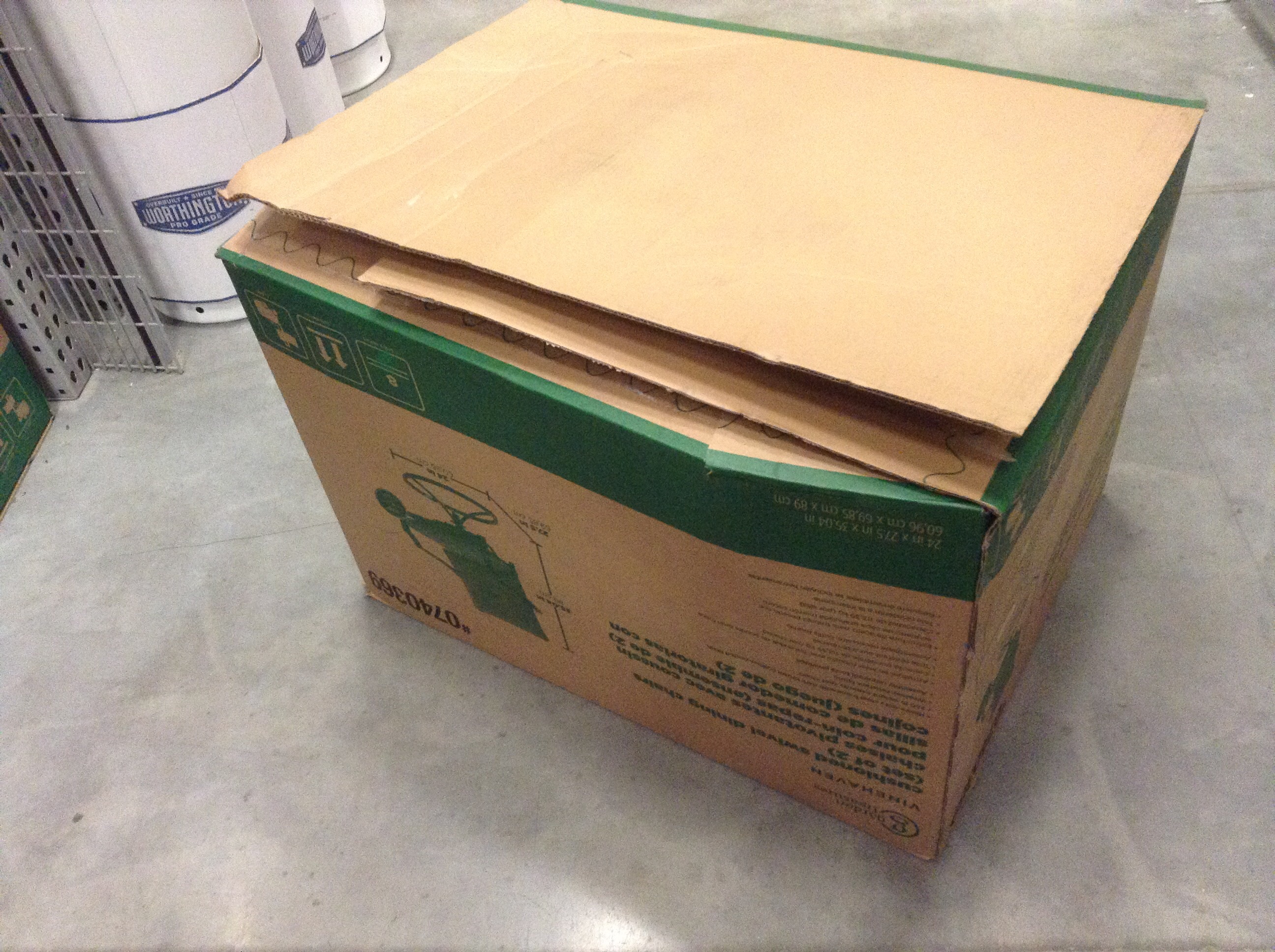
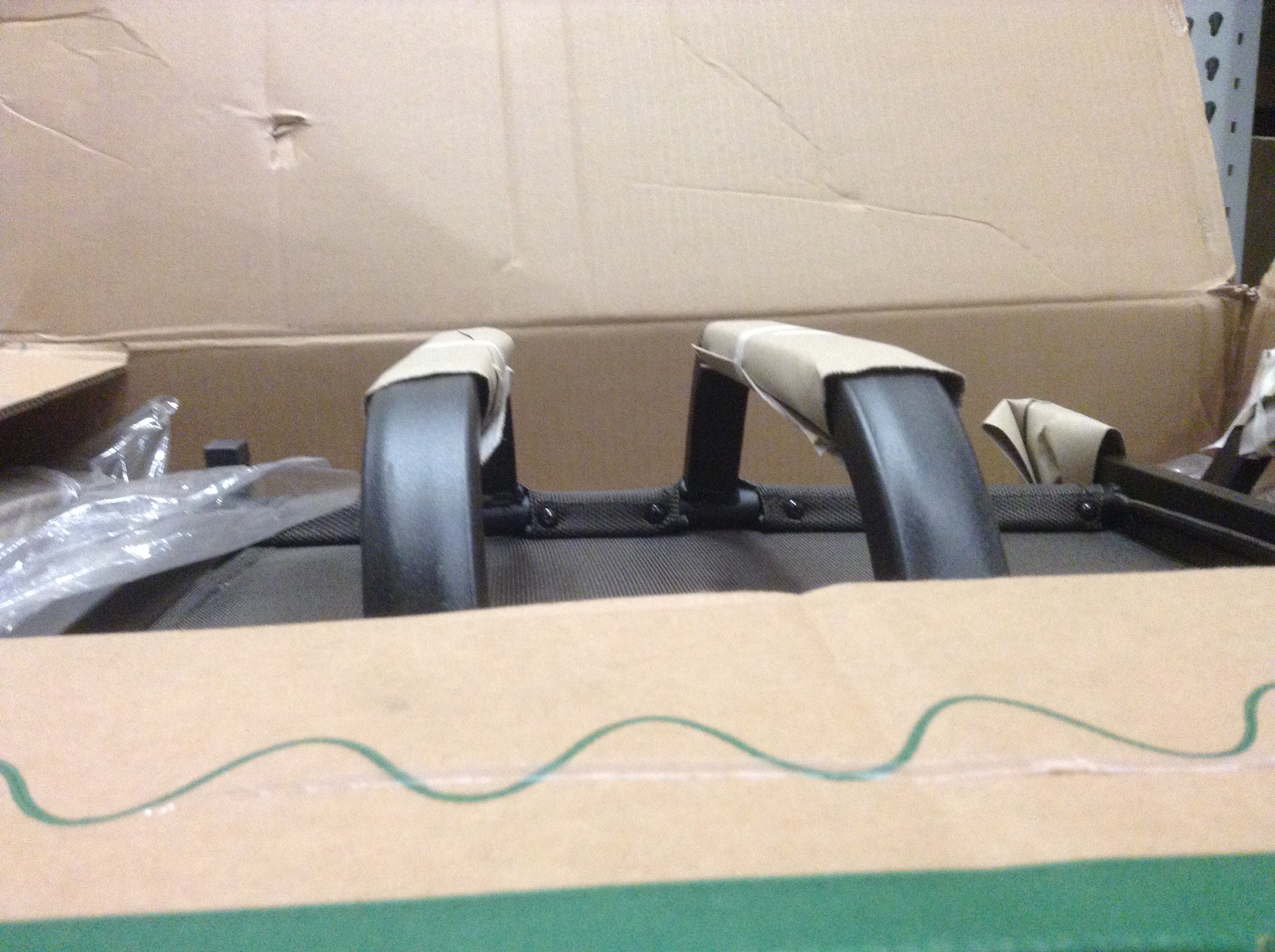
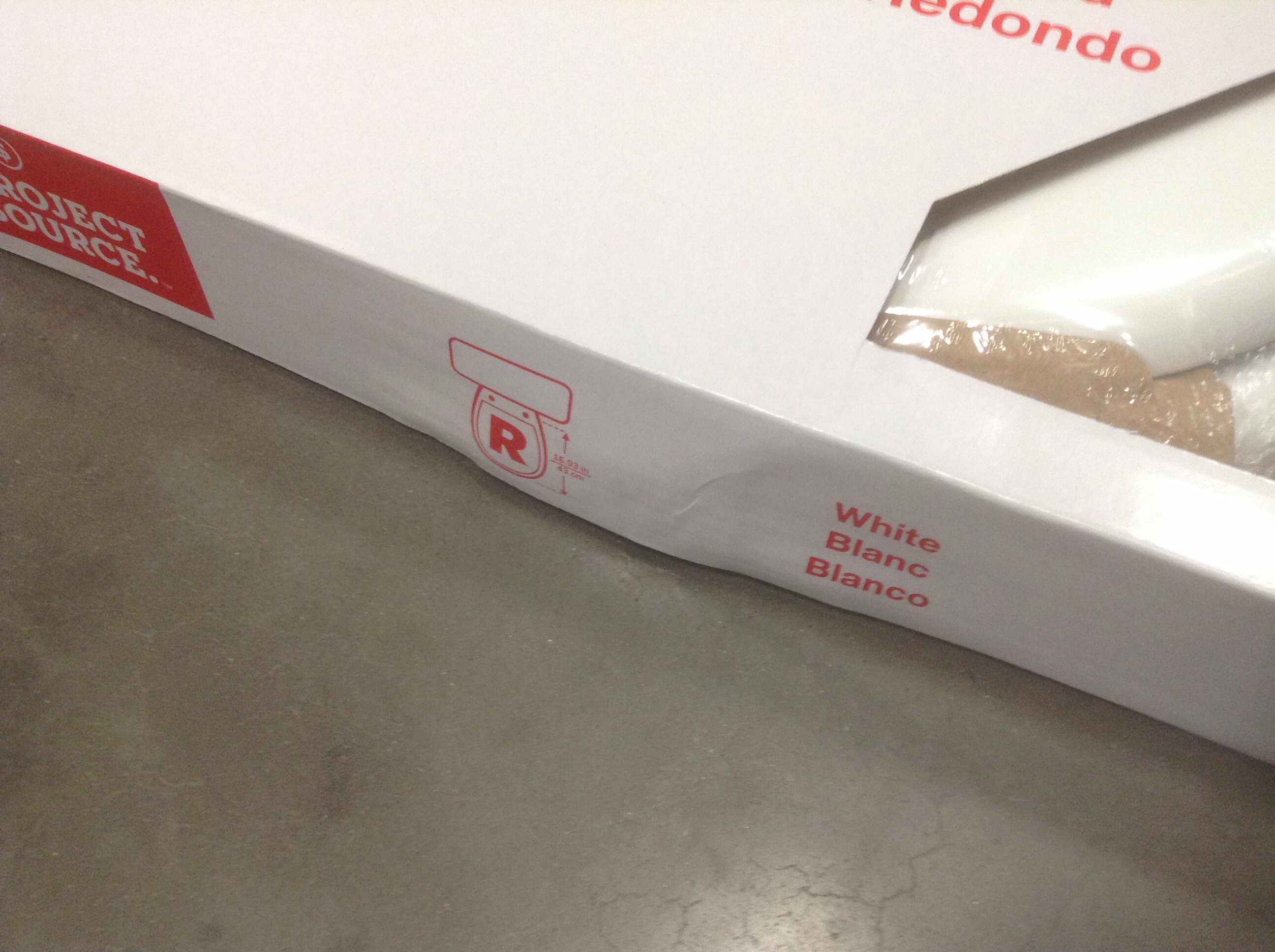
The images above show one type of corrugated box containment misstep: proper capacity. Everyone can relate to this issue especially when moving. Attempting to fit an item into a box that is a wee bit too large is not recommended. After physically forcing the item into the moving box, the outcome usually ends with the item damaged or the container completely compromised.
Another instance of corrugated box containment: the dreaded security issue. If the product has too much movement; the end result could look something like:
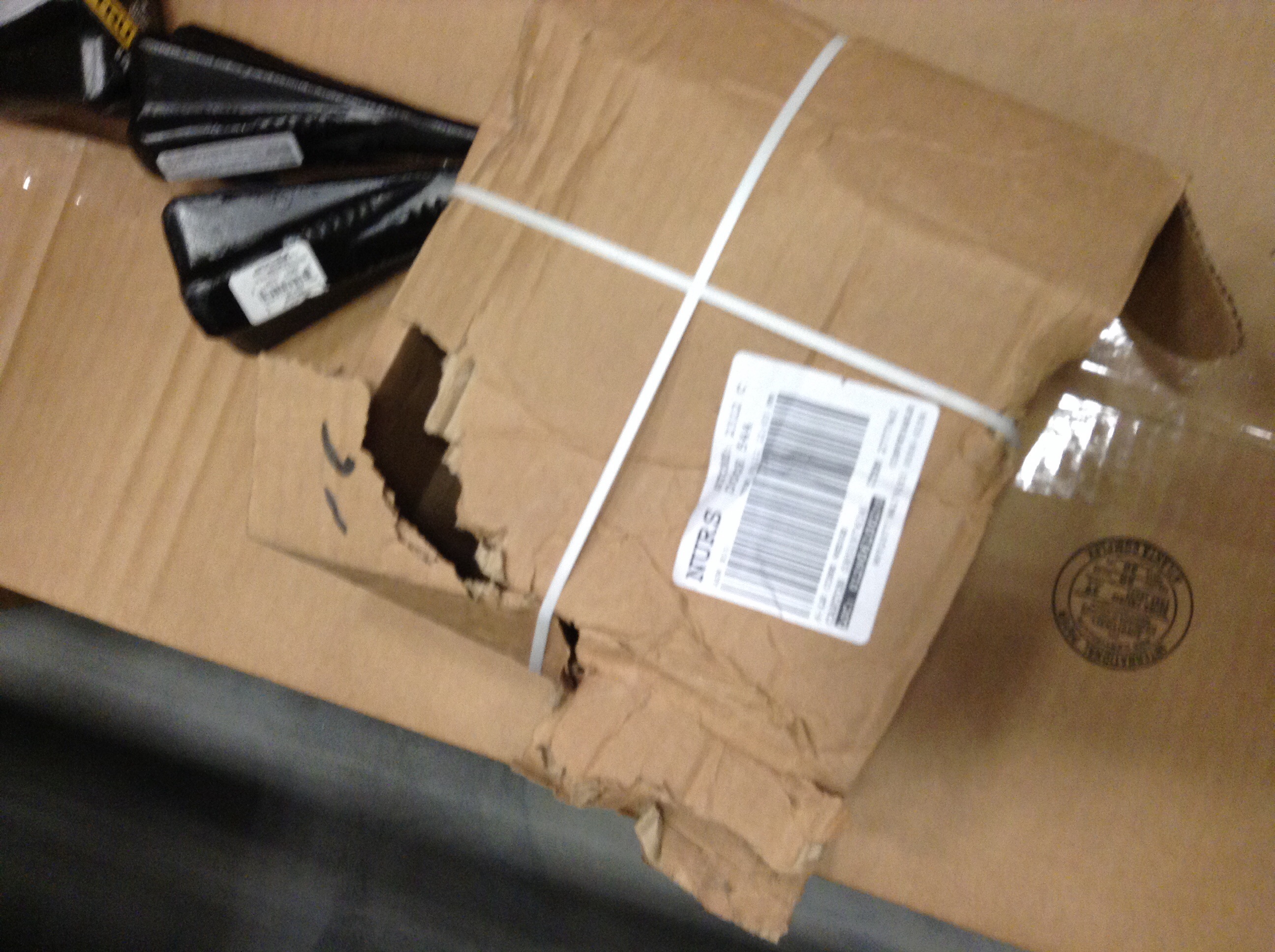
*Extra Security Containment Bonus Bust! This is what happens when shrink wrap is used to secure product and falls short:
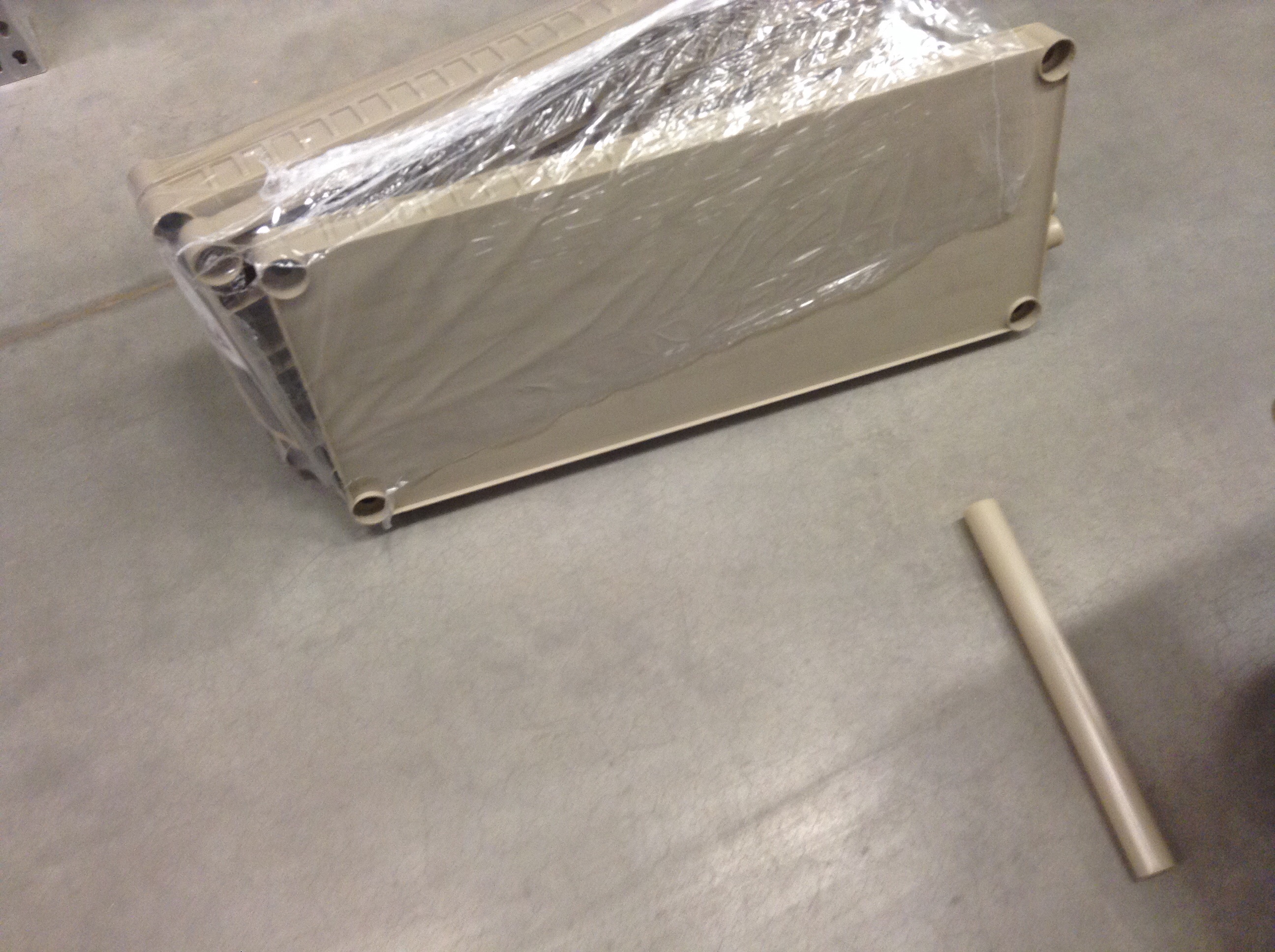
As depicted from the examples above, containment becomes imperative when designing and developing packaging to prevent possible damage of goods. Feel free to send in your “Packaging Busts”. We would love to hear from you!
If there is a need for assistance with packaging design and development including containment issues we are available at:
(657) 204-6093
© 2016 Pack Protocols LLC